
Under a hazy cobalt moon,
A twinkle of city lights at dusk,
Crippled juniper trees turn black,
Mosquitos dance to the cricket’s song,
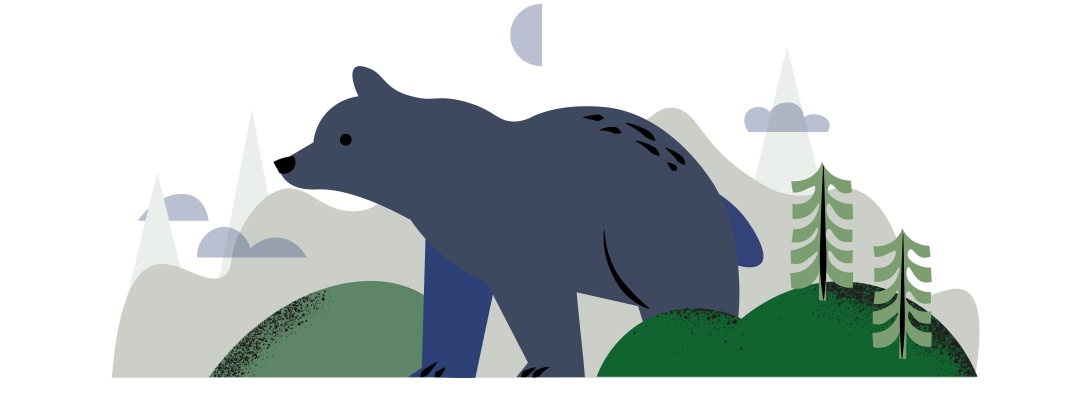
Brown bears stir in the night,
Beyond blue peaks the sky flashes silver,
Sweet rains wash away the conversations of night,
Until the sun breaks into an orange yolk.
14th July 2014
A six-seated plane lifted us over the Navajo nation. Dad and me excitedly chirped about our future travels and exploration in the next few days. The land below resembled a deserted planet, dotted with dusty craters, and scattered debris. Distant clouds aching with water blundered across the sky and relieved their burden onto the land.
We landed in a storm, water hitting the house-sized airport in furious bursts. We pushed the glass doors out into the car park, the smell of wet sand and rich clay filled the air. Spotted towhee, a local bird, balanced on Arizona rosewood bushes and sang sweetly about the rain. After sliding into our rented vehicle, we glided up and down the valleys and slipped in and out the sun’s gaze as we headed to our lodging.
* * *
The sun ducked beneath pink-skirted clouds, breaking into an orange sunset. Night began to fall.
Our bags were left in the cabin at Far View Lodge as we scouted out the campsite where my dad’s close work friend had invited us to an evening meal.
We drove on until late evening, the night sky speckled with stars. As we crawled into the campsite our dipped headlights caught a glimpse of a young brown bear wondering across our path. We hushed in awe of this magnificent creature. It paused and curiously raised its round ears like half-moons before retreating into the foliage.
Further down the path, the night was softened by the buttermilk yellow glow from caravan windows. Mosquitos buzzed and log smoke clouded the air.
We sat with our hosts in fold out chairs, sipping sparkling water from plastic cups. In-between the gentle murmurs of conversation we would enjoy a mouthful of omelette from our paper plates.
Later we stared into the spluttering fire, occasional embers smouldered on the damp grass. Wrapped in a soft woollen blanket I vaguely listened to the conversation between dad and his friends, letting the words slowly melt away into the background.
I reclined into the unfolding chair. If I tilted my head beyond the black peaks of the mountains the sky flashed silver from inky clouds. Stars sparkled around the edges of the storm like sequins in the great void of space above us. The sky was marvellously deep blue, an ocean of limitless depth. We returned to the cabin with content bellies and lazy eyes.
15th July 2014
At 6:30am the sun was already dragging us into the morning. We got ready for the guided tour of Mesa Verde National Park.
The bus rattled along flat dusty trails scattered with crippled pinyon-juniper trees, pausing to allow exploration at various preserved sites. Each pueblo (settlement) was baked gold and ochre after centuries under the watchful eye of the sun. All the buildings were constructed from blocks of hard sandstone and plastered together with adobe mortar, a mixture of water, straw, and clay. Timber was also used, serving as the framework and roofing for homes.
The final pueblo we stopped at, known as the cliff palace, is the largest cliff dwelling in North America. It contains 23 kivas (large circular underground rooms for spiritual ceremonies and meetings) and 150 rooms populating approximately 100 people.
An overlook from the cliffs above allowed us to admire the whole site. Dwellings of all shapes and sizes clustered in alcoves on the canyon wall. From the viewpoint we trickled down steps cut from the sandstone and into the ruins of past lives. We took a moment to sit in the shade and marvel at the enormity and beauty of the buildings.
The concaved cliff had made a cool and safe spot to accommodate the dwellings. It was very peaceful. The air was quiet and still, as if time itself had paused to admire the memories and spirits that once lived there. Many swallows had made their homes in small holes on the face and underbelly of the cliff, above the settlement.
Since 7500 BC Mesa Verde was seasonally inhabited by Paleo-Indians, the first peoples who inhabited the Americas during the final glacial episodes of the late ice age. Mesa Verdeans survived by hunting, gathering, and farming corn, beans, and squash. The first pueblos were built after 650, it wasn’t until the end of the 12th century that they began to construct huge cliff dwellings, which were said to be a more defensible position.
It is believed the area was abandoned by 1300 after a period of social and environmental instability after a series of severe droughts. The natives then moved south to Arizona and New Mexico, leaving behind their grand palace with heavy hearts.
* * *
At lunch we drove a few miles to a small restaurant, with bay windows looking out onto the endless blue sky and yellow canyons. We ate Navajo tacos, also known as fry bread, a flat doughy bread with hot peppers, black beans and meat piled high on top, creating a masterpiece closely resembling the pinnacles of rock in the park.
We explored a large flat expanse of the park, hiking along worn dirt trails and jumping on and off an open tram. Small remains of huts were strewn along the hiking trails, all varying in appearance and function. They were mostly pit-houses, dug into the earth to provide shelter from the extreme weather and unforgiving heat. We also came across towers, vertical rectangular buildings that acted as look outposts. Most of them stood less than 10 feet tall, collapsed from wind and storms, and were home to small lizards and wildflowers.
* * *
We took one final drive to an lookout point surveying a small modern settlement below. The wind picked up and beckoned the clouds away, revealing distant blue hills and canyons beyond the settlement and stretch of flat desert. We took a few minutes to take in as much as we could then said our final farewell to Colorado.
 Francesca Luisi